Post Type ArchivesEpisode

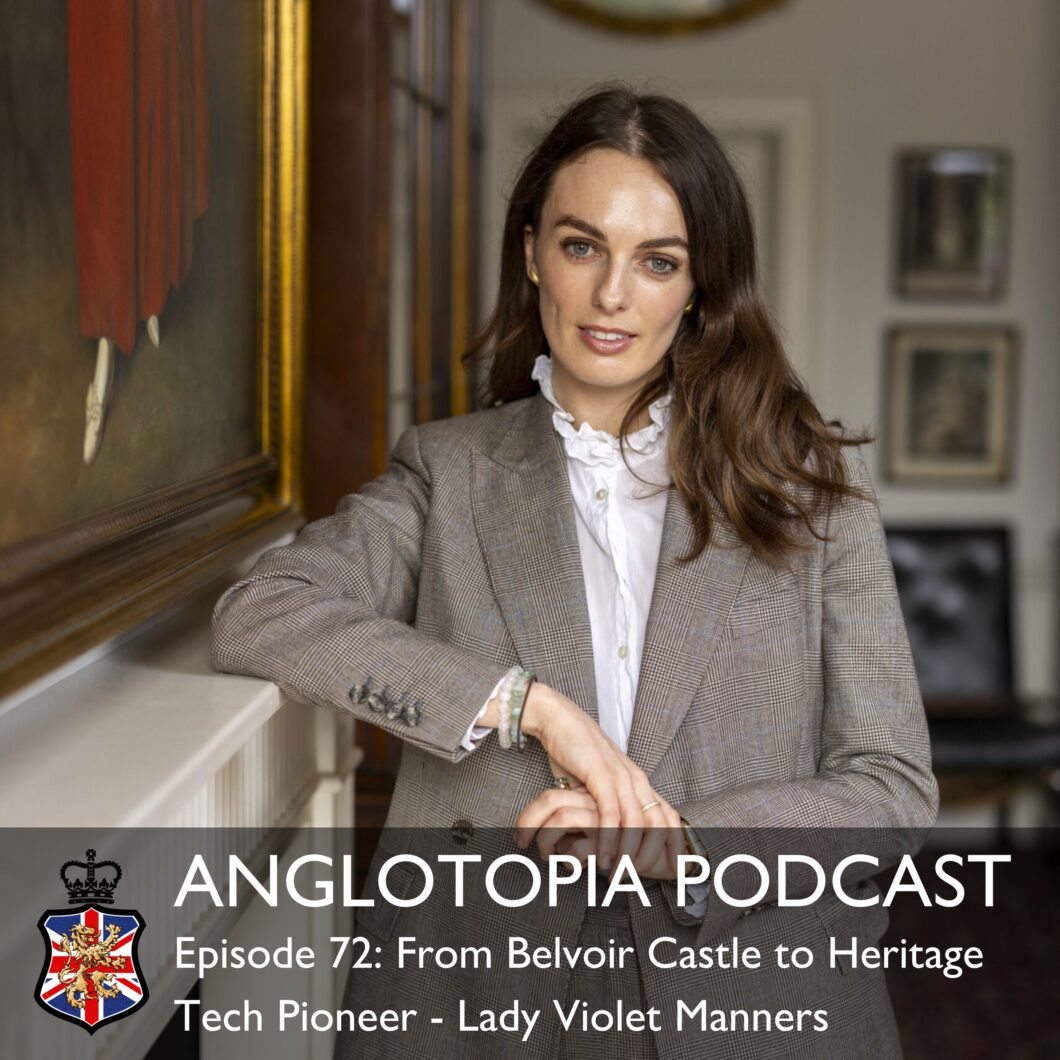
Anglotopia Podcast: Episode 72 – From Belvoir Castle to Heritage Tech Pioneer – Lady Violet Manners

Anglotopia Podcast | Discussing UK British Travel, History, Culture, London, British Slang, and More!
Anglotopia Podcast: Episode 72 - From Belvoir Castle to Heritage Tech Pioneer - Lady Violet Manners
Loading
/

In this engaging episode of the Anglotopia podcast, Lady Violet Manners shares her unique experiences growing up in Belvoir Castle, discussing the rich history of her family and the castle itself. She delves into her transition from aristocrat to tech entrepreneur with the launch of HeritageXplore, a platform aimed at connecting people with independent historic houses. Lady Violet also introduces HeritageXplore Luxe, a bespoke tour experience, and the Artisan in Residence program, which will bring contemporary art to historic settings. The conversation touches on the future of heritage tourism, the impact of popular culture on travel, and Lady Violet’s recommendations for must-visit stately homes in the UK.

Links

Takeaways

  • Lady Violet shares her unique experience growing up in Belvoir Castle.
  • Belvoir Castle has a rich history and has undergone significant restoration.
  • The importance of women in the history of Belvoir Castle is highlighted.
  • Lady titles in the UK come with responsibilities and a sense of duty.
  • Heritage Explorer aims to connect people with independent historic houses.
  • The platform offers unique experiences and tours of historic homes.
  • Heritage Explorer Lux provides bespoke tours with custodians of historic houses.
  • The Artisan in Residence program will create contemporary art inspired by historic houses.
  • AI technology may enhance visitor experiences in historic homes.
  • Lady Violet recommends several must-visit stately homes for Americans.

Soundbites

  • 1. On Growing Up in a Castle “When my parents inherited Belvoir in 1999, it was termed to be a basket case by the trustees because it was just so in debt and in need of so much work and restoration.”
  • 2. Teenage Entrepreneurship “I had this little electric car… I decided I’d start charging all the children—I charged them a pound to take their children around for about 20 minutes around the north terrace. The car was so slow, I think a pound probably was quite a punchy price, but nevertheless it was paid.”
  • 3. The Ice Cream Shop Mishap “My sister and I ran the ice cream shop for a summer. And it was only halfway into running it that we realized we were charging people incorrectly. We were charging for the cone and the ice cream separately. So our margins were two times what they should have been.”
  • 4. Castle History and Etymology “Robert de Tordini… got up there, this is prior to obviously building anything, said Bellevoire, meaning beautiful view. English British people could not pronounce Bellevoire, they weren’t educated to be able to speak French. And so as a bit of a rally cry against Tordini… they chose not to ever adhere to calling Belvoir by its correct French name and instead decided to call it Belvoir.”
  • 5. A Strong-Willed Duchess “Elizabeth the fifth Duchess of Rutland… famously arrived at the Charles II castle, Belvoir Castle, and declared to her husband, a very patient husband, this is not romantic enough for me. If I am to live here, this will not do. And so convinced her husband in a very short period of time to allow her to basically tear down the Charles II castle.”
  • 6. On Being a Lady in Modern Times “100 years ago, being a lady meant a very different thing. You undoubtedly would have done very little in the form of work… It doesn’t translate to much in the 21st century, but it’s a huge honor… it’s important in my mind that we kind of fundamentally beyond the title earn our keep.”
  • 7. The Independent House Experience “There’s nothing more magical than going around an independent house. More often than not, you’ll either see a paper left out from the day before… There’s much more of a sense of, you’re walking into a living and breathing history that’s being written every day.”
  • 8. The COVID Inspiration “Coming out of COVID, I really got the sense that more and more people are kind of in the business of making memories and not buying things… The value that we put on making a memory in an incredibly beautiful place is something that finally we’re valuing more so than the car that you potentially want to drive.”
  • 9. Artists in Residence Program “It will be the first time really in essentially a century that contemporary art has been born out of these historic houses and inspired by them. Reynolds, Sargent, so many of those artists from bygone eras would often be in residence at these historic houses… We’re pairing together the contemporary world with the old world, and when they collide, they create the most beautiful, most enriching experiences.”
  • 10. Heritage Meets AI “I’m really excited, kind of rather controversially, about the marriage of heritage and AI… I love this idea of being able to interact with something in real time that can give you affirmative answers from a trusted large language model about the painting that you’re looking at and the story behind that painting… I don’t doubt that AI and Heritage are gonna merge and marry at some point in the future.”

Chapters

  • 00:00 Growing Up in a Castle
  • 07:06 The History of Belvoir Castle
  • 14:54 Family Legacy and Notable Figures
  • 20:31 Understanding Aristocratic Titles
  • 25:28 From Aristocrat to Tech Entrepreneur
  • 35:35 Growth and Recognition in Heritage Tourism
  • 36:22 The Hidden Heritage Podcast
  • 39:14 Heritage Explore: Booking and Experience Platform
  • 42:21 Experiential Travel and Heritage Explore Lux
  • 46:38 Artisan Residence Program and Cultural Membership
  • 55:13 The Future of Heritage Tourism and AI Integration
  • 59:56 Top Stately Homes for American Visitors
  • 01:07:04 anglotopia-podcast-outro.mp4

Video Version

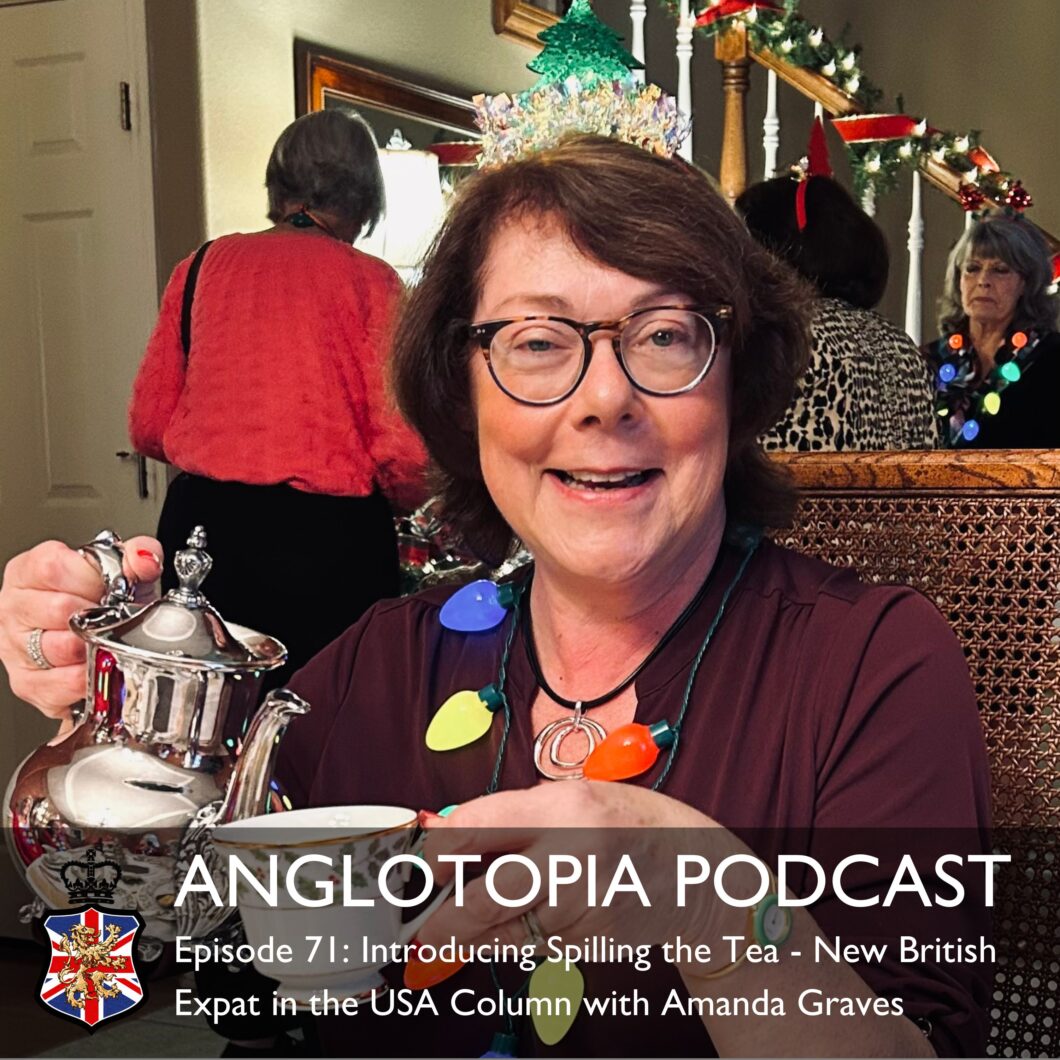
Anglotopia Podcast: Episode 71 – Introducing Spilling the Tea – New British Expat in the USA Column with Amanda Graves

Anglotopia Podcast | Discussing UK British Travel, History, Culture, London, British Slang, and More!
Anglotopia Podcast: Episode 71 - Introducing Spilling the Tea - New British Expat in the USA Column with Amanda Graves
Loading
/

In this episode of the Anglotopia podcast, host Jonathan Thomas welcomes Amanda Graves, a British expat who shares her unique experiences of living in America since 1985. Amanda discusses her family’s distinguished background, her mother’s recent MBE award, and the cultural differences she has navigated as an expat. From the royal experience of receiving an MBE to the nuances of food and tea culture, Amanda provides insights into the British-American cultural divide. She reflects on her journey from Massachusetts to Texas, the evolution of dinner parties to potlucks, and the complexities of tea terminology. This conversation offers a rich exploration of identity, culture, and the expat experience.

Links

Takeaways

  • Amanda’s mother received an MBE for her charitable work.
  • Amanda comes from a distinguished British commercial family.
  • The royal investiture ceremony was a proud moment for Amanda.
  • Cultural differences between British and American life are significant.
  • The transition from Massachusetts to Texas presented new challenges.
  • Food culture in America differs greatly from British traditions.
  • Potluck culture is prevalent in America compared to formal dinner parties.
  • Tea culture in the UK is complex and often misunderstood by Americans.
  • Amanda’s experience on Jeopardy was both surreal and rewarding.
  • The importance of community and neighborliness in American culture.

Sound Bites

  1. On American vs. British confidence culture: “One of the things that really impressed me was how self-confident Americans were and are because I had come from the UK where they have a phrase… called tall poppy syndrome. So tall poppy syndrome means don’t stick your head up too high because you don’t want to bring attention to yourself.”
  2. On the family tea empire: “The name Lyons was borrowed from a cousin because the family was already successful in another business and they didn’t want to use their names to go into this new venture… So they borrowed the name of one of their cousins, which was Joe Lyons.”
  3. On British boarding school reality: “I went away at the age of 10. My brother was sent away to prep school… at eight to a boarding school, which he said he would not do to his children. And so his children didn’t go to boarding school until they were 13.”
  4. On American fruitcake disappointment: “It’s because this is the only fruitcake that you know. You don’t know the stuff that’s full of alcohol and really delicious and takes three months to sort of mature before you even bake the thing.”
  5. On her Nigella Lawson connection: “Nigella’s probably a second or third cousin… my father and her mother were very close growing up… I did get invited to her 21st birthday party, which I sadly couldn’t go to because I just have my wisdom teeth out.”
  6. On meeting Princess Anne: “She asked my mother about something that she had done in the 1970s and my mother went ‘I didn’t even remember I’d done that. How did you know about that?’ And she said ‘well you’ve covered a lot of ground.'”
  7. On the dinner party culture shift: “I came over here and I started inviting my husband’s colleagues over to dinner and they would… always phone and ask, what can I bring? And I’d say, don’t bring anything… I didn’t understand it.”
  8. On American neighborliness shock: “The fact that neighbours came over and knocked on my door. I mean, we just didn’t do that in England… I lived for a year in a part of Bristol. We never met our neighbors. It just would never occurred to us to go and say hello to them.”
  9. On tea terminology confusion: “If somebody sends me an invitation and says, come for high tea at four o’clock… I know that’s not what that means. It doesn’t mean I’m going to be having beans on toast. It means they’re going to be serving afternoon tea.”
  10. On Jeopardy success rates: “I looked up the acceptance rate and it’s 0.2% that actually get accepted to be on the show. So I’m very proud that I made it. Sadly, I didn’t win, but it was an incredible experience.”

Chapters

  • 00:00 Introduction to Amanda Graves and Her Background
  • 01:52 Growing Up in a Distinguished British Family
  • 05:51 Transition to Life in America
  • 07:33 Cultural Adjustments and Family Dynamics
  • 11:29 Exploring Food Culture and Family Connections
  • 15:53 Experiences in British Boarding School
  • 20:48 Culture Shock: Moving to Massachusetts
  • 24:57 Navigating Life in Texas
  • 27:30 The Great Fruitcake Debate
  • 30:40 Dinner Parties vs. Potlucks
  • 34:56 Understanding Tea Culture
  • 37:05 Honoring a Legacy: The MBE Experience
  • 40:41 A Journey to Jeopardy: Trials and Triumphs
  • 45:28 anglotopia-podcast-outro.mp4

Video Version

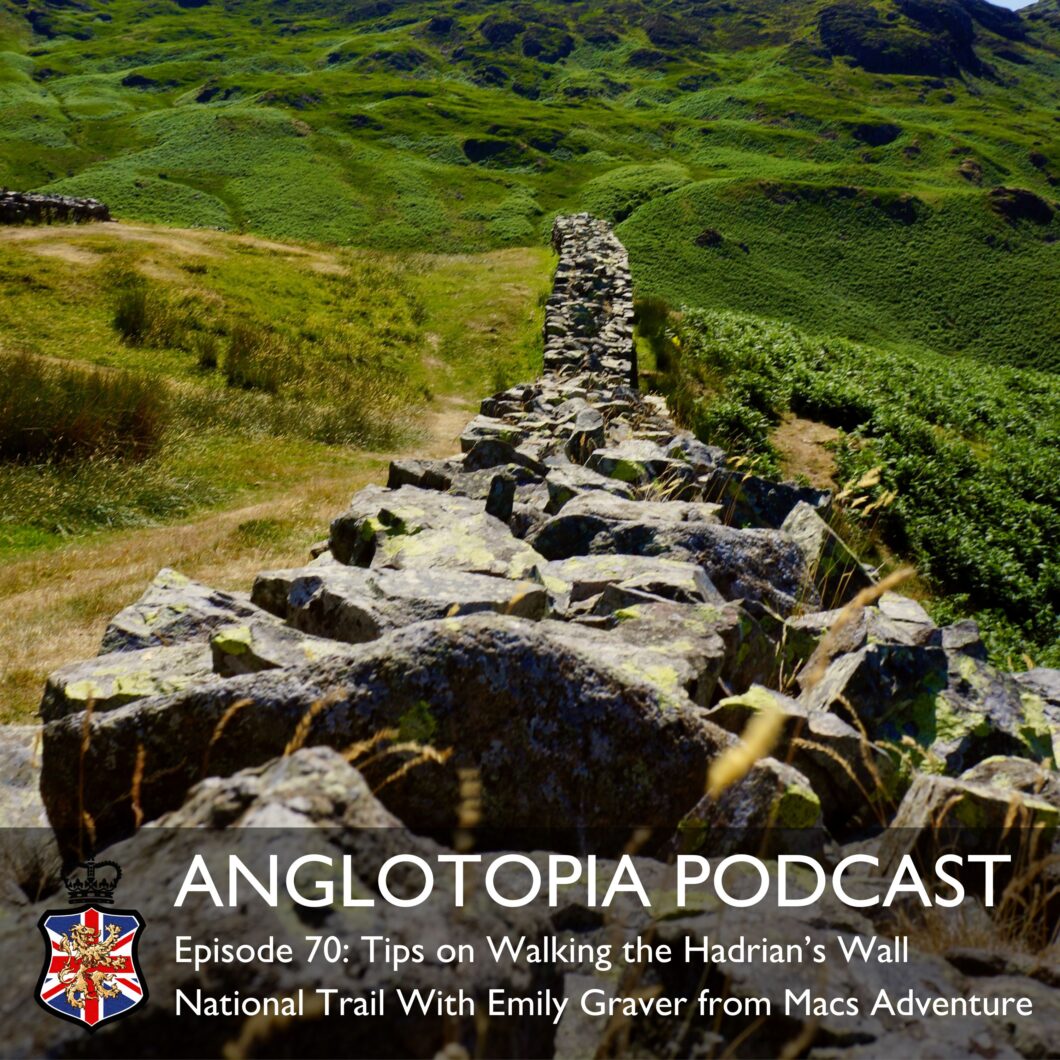
Anglotopia Podcast: Episode 70 – Tips on Walking the Hadrian’s Wall National Trail With Emily Graver from Macs Adventure

Anglotopia Podcast | Discussing UK British Travel, History, Culture, London, British Slang, and More!
Anglotopia Podcast: Episode 70 - Tips on Walking the Hadrian’s Wall National Trail With Emily Graver from Macs Adventure
Loading
/

In this episode of the Anglotopia podcast, host Jonathan Thomas interviews Emily Graver, an adventure operations specialist at Macs Adventure, about the Hadrian’s Wall walk. Jonathan is planning to walk the trail, a lifelong goal, in summer 2026. They discuss the history, planning, and preparation needed for this iconic 84-mile trail that runs across Northern England. Emily shares insights on logistics, fitness requirements, and the best sections to explore, as well as tips for packing and dealing with unpredictable British weather. The conversation also highlights local attractions, accommodations, and the support available for walkers, making it a comprehensive guide for anyone interested in this historic journey. Please help Jonathan make this dream of the walk happen by purchasing the special limited edition fundraiser Hadrian’s Wall 2026 Calendar. Links in the show notes below.

Note: Cover image in podcast is NOT Hadrian’s Wall, it’s Hardknott Roman Fort nearby in Cumbria (I don’t have any pictures of Hadrian’s Wall…yet).

Links

Takeaways

  • Hadrian’s Wall is a UNESCO World Heritage Site and a popular long-distance walk.
  • The walk requires careful planning and preparation, especially regarding fitness and logistics.
  • Walking 15 to 30 kilometers a day is common, and the terrain can be hilly.
  • Packing for all seasons is essential due to unpredictable British weather.
  • Booking accommodations in advance is highly recommended, especially for summer months.
  • The East to West route offers a unique experience of walking from a busy city to peaceful countryside.
  • Vindolanda is a must-visit site along the route, known for its historical significance.
  • Solo walkers will find camaraderie on the trail, while group walkers may face accommodation challenges.
  • The app provided by Macs Adventures offers useful information and emergency contacts for walkers.
  • Public transport links to the starting points of the walk are very good, making travel easier.

Sound Bites

  • 1. On the physical challenge: “The biggest mistake people make is they underestimate the level of walking that’s involved. You are walking like 15 to 30 kilometres a day. It’s also very hilly. There’s a lot of ascent and descent.”
  • 2. On booking timing: “May is booking up a lot for people, very keen people that are ready to go on holiday for next May. It books up really, really quickly. So I’d really recommend if you’ve got like, if you want to… book ahead now.”
  • 3. On the route direction debate: “I personally did the East to West and I prefer it because you’re going from like quite a busy city, Newcastle, and then you’re slowly walking towards like really peaceful areas… You’re also following the route that the wall was originally built by the Romans.”
  • 4. On the most challenging section: “The most challenging section is between a cute little village called Once Brood and the Hayton Gate turn off. It’s very, very hilly… you are looking at 18 miles total in that one section.”
  • 5. On accommodations: “I will say with the Hadrian’s Hall, there’s less opportunities to upgrade your accommodation just because of the places we work with. They’re very, very small. So it will tend to be more bed and breakfasts and inns.”
  • 6. On the historical discovery at Vindolanda: “They’ve discovered preserved handwritten parchments from Roman soldiers writing letters home… this Roman soldier asking his mum for a new pair of socks because it’s so chilly and things like that.”
  • 7. On the full English breakfast challenge: “My personal point of view, accommodations will serve you such a big full English breakfast that by the time it gets to lunch, I don’t usually need any. I can just power on through because like it’s like sausages, bacon, eggs…”
  • 8. On solo walking: “For solo walkers, I would say that Hadrian’s Walk is a really nice walk for solo walkers because of the camaraderie that you’ll get… as soon as you walk and you see someone, you say hello, you’ll get chatting.”
  • 9. On essential packing: “I learned the hard way blister plasters, you have to pack them because my feet were absolutely awful and then I got to this lovely accommodation… very kind lady there gave me her pack of blister plasters.”
  • 10. On weather unpredictability: “I will say the weather is unpredictable. You need to pack for all seasons, but that’s just, that’s British weather. And we love talking about the weather. That’s like our passion.”

Chapters

  • 00:00 Introduction to Hadrian’s Wall
  • 02:17 Overview of the Hadrian’s Wall Route
  • 03:44 Common Mistakes for First-Time Walkers
  • 05:55 Logistics and Planning for the Walk
  • 08:09 Best Times to Walk Hadrian’s Wall
  • 10:40 Fitness Preparation for the Walk
  • 11:45 Choosing the Right Direction
  • 14:48 Challenging Sections of the Walk
  • 17:03 Prioritizing Sections for Shorter Walks
  • 18:43 Luggage Transfer Logistics
  • 20:20 Water and Food Considerations
  • 22:24 Weather Preparedness
  • 24:43 Essential Packing List
  • 26:46 A Typical Day on the Wall
  • 28:28 Accommodation Options Along the Wall
  • 32:40 Memorable Moments on the Walk
  • 34:37 Comparing Other UK Trails
  • 35:32 Getting to the Starting Point
  • 37:11 Local Sites and Museums to Visit
  • 39:22 Food Experiences Along the Route
  • 40:34 Support for Walkers
  • 42:08 Solo vs Group Walking Considerations
  • 43:33 Insider Tips for the Walk
  • 44:37 National Trust Sites Along the Walk
  • 45:58 Next Adventures After Hadrian’s Wall
  • 51:46 anglotopia-podcast-outro.mp4

Video Version

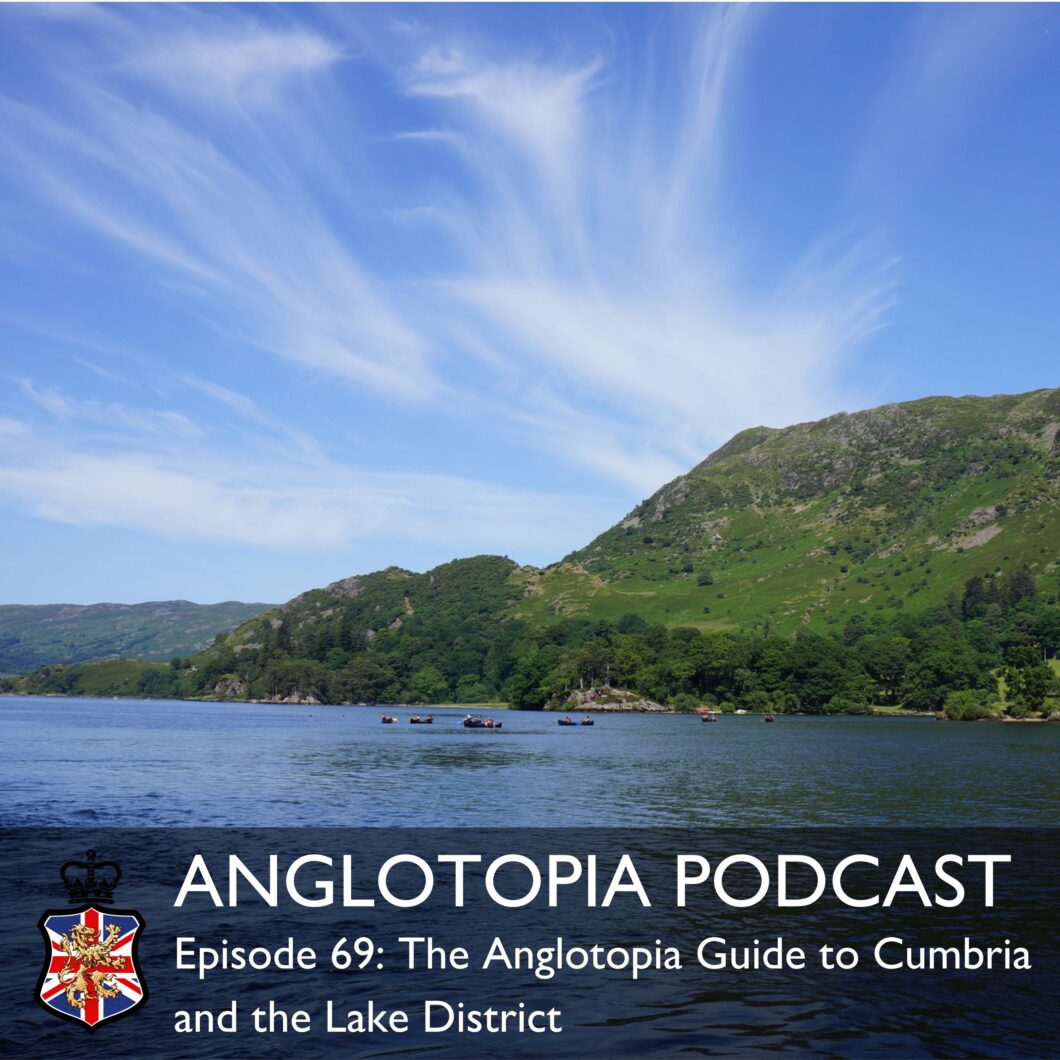
Anglotopia Podcast: Episode 69 – The Anglotopia Guide to Cumbria and the Lake District

Anglotopia Podcast | Discussing UK British Travel, History, Culture, London, British Slang, and More!
Anglotopia Podcast: Episode 69 - The Anglotopia Guide to Cumbria and the Lake District
Loading
/

In this episode of the Anglotopia podcast, Jonathan Thomas explores the beauty and cultural significance of Cumbria and the Lake District. He shares his personal experiences, literary connections, and the planning process for his trip, including a writer’s retreat. The conversation delves into the stunning landscapes, historical sites, and the unique charm of the region, emphasizing its importance in British culture and literature.

Links

Takeaways

  • Cumbria and the Lake District are remote yet culturally rich destinations.
  • The region is deeply connected to British literature, especially with figures like Wordsworth.
  • Planning a trip to Cumbria requires careful consideration of travel logistics.
  • Exploring the Lake District offers breathtaking views and unique experiences.
  • The writer’s retreat provided invaluable insights into writing about landscapes.
  • Driving the Hardknott Pass is a thrilling adventure for travelers.
  • Cumbria is a popular holiday destination for British tourists.
  • The local cuisine, including Cumbria sausage and Kendall mint cake, is worth trying.
  • The landscape of Cumbria is characterized by its mountains and lakes.
  • Future visits to Cumbria should include more literary and historical sites.

Sound Bites

  1. “Many would argue that the soul of British culture and literature kind of lives in the Lake District, mostly because of its connections with William Wordsworth and his poetry.”
  2. “It was the furthest point that the Romans went when they had conquered Britain. They actually built a fort at Hardknot that had a view of the Irish Sea.”
  3. “The Hardknott Pass is Britain’s most steepest and dangerous road… it has a 15% grade. The regulations on US highways are like that the grade can’t be more than 3 or 4%. So this is 15%.”
  4. “After she became famous, rich and famous from the Beatrix Potter books, she dedicated herself to preserving the landscape of the Lake District… The reason so much of the Lake District landscape is protected is because of Beatrix Potter.”
  5. “It’s a place British people travel for holiday… if you really want to get a sense of Britishness and how they vacation and how they holiday then Cumbria and the Lake District is the place to go for that.”
  6. “Every turn of the road is like the most beautiful place you’ve ever seen… I had just had no idea how incredibly beautiful England and Britain’s mountain landscapes can be.”
  7. “The sun doesn’t set to like 11 p.m. in the summer… we had these author events that would go to like 11 o’clock and there was still like this twilight at 11 p.m.”
  8. “Getting to Cumbria and the Lake District is the hard part… it’s very remote. It’s as far away from London as you can get going into Scotland.”
  9. “It’s really been a place where people kind of scrap in existence… There was never a lot of wealth generated there like in other places like say the Cotswolds.”
  10. “You really the best way to get around is by car because the Lake District is very poorly served by trains and buses because it’s so remote.”

Chapters

00:00 Introduction to Cumbria and the Lake District
05:11 Literary Connections and Personal Journey
10:37 Planning the Trip to Cumbria
17:05 Exploring the Lake District
23:42 The Writer’s Retreat Experience
25:21 Cumberland Lake District: A Legacy of Farming and Writing
26:33 Transformative Writing Retreat Experiences
28:19 The Journey of Self-Publishing and Creative Growth
29:56 Exploring the Hard Knot Pass: A Thrilling Adventure
32:49 Historical Insights: The Hard Knot Roman Fort
34:09 Serendipitous Discoveries: Riding the Steam Railway
35:09 Moncaster Castle: A Historical Exploration
38:03 Reflections on the Cumbria Experience
39:58 Cultural and Historical Significance of the Lake District
43:29 Travel Tips and Recommendations for the Lake District
49:09 anglotopia-podcast-outro.mp4

Video Version

Anglotopia Podcast: Episode 68 – Exploring Britain’s Canine Aristocracy With Agnes Stamp’s Country Life Book of Dogs

Anglotopia Podcast | Discussing UK British Travel, History, Culture, London, British Slang, and More!
Anglotopia Podcast: Episode 68 - Exploring Britain's Canine Aristocracy With Agnes Stamp’s Country Life Book of Dogs
Loading
/

In this episode of the Anglotopia podcast, host Jonathan Thomas speaks with Agnes Stamp, author of ‘Country Life’s Book of Dogs.’ They explore the rich history of dogs in British aristocracy, the inspiration behind the book, and Agnes’s personal experiences with various dog breeds. The conversation delves into the role of dogs in society, the impact of photography on public perception, and delightful anecdotes from history. Agnes shares her journey to writing the book and discusses the importance of preserving vulnerable native breeds. The episode is a celebration of the bond between humans and dogs, highlighting their significance in British culture. Special guest stars include Jonathan’s King Charles Cavalier Spaniel Cooper.

Links

Takeaways

  • The book is a love letter to dogs.
  • Dogs have been part of Country Life’s editorial makeup since its inception.
  • Agnes has a deep love for all dog breeds.
  • Historically, dogs served various purposes in society.
  • The shift from working dogs to companion dogs reflects societal changes.
  • Photography has played a crucial role in shaping public perception of dogs.
  • Agnes’s personal experiences with dogs influenced her writing.
  • The importance of preserving vulnerable native breeds is emphasized.
  • Humans and dogs share a unique bond that transcends time.
  • The book offers a snapshot of the breeds dear to Country Life.

Sound Bites

  • “Princess Diana actually called them a moving carpet of corgis because she was always had them at her ankles.” – Agnes describing Queen Elizabeth II’s famous corgi pack.
  • “on his wedding night when Napoleon went back to the covers to hop into bed with Josephine, fortune popped out and savaged Napoleon.” – The story of Josephine Bonaparte’s pug attacking Napoleon on their wedding night.
  • “Lord Byron had his beloved Newfoundland, Bowson… But a little known fact is that he also kept two bulldogs during his time at Cambridge University. And they were called Savage and Smut.” – Revealing Byron’s lesser-known bulldogs with memorable names.
  • “all I observed was the silliness of the king playing with his dogs all the while and not minding the business.” – Samuel Pepys’ 1666 critique of King Charles II’s obsession with his spaniels during government meetings.
  • “And when one of the young princes appears on screen, she says, you know, could be William could be George. And then as soon as a corgi appears, she says instantly that Susan.” – Queen Elizabeth II recognizing her dog before her own grandchildren in family videos.
  • “the tale of Laszlo, the Dan-Diedenmont Terrier… this particular Terrier terrorized Boris Johnson when he was editing The Spectator.” – A vulnerable native breed dog giving the future PM trouble.
  • “there are great kennels at an estate here called Goodwood, which by the way had heating before the main house did.” – The priority given to prize foxhounds over human comfort in aristocratic estates.
  • “Dachshunds had a bit of a, you know, rough deal in this country historically… They were persecuted for being German.” – The unfortunate wartime treatment of German dog breeds in Britain.
  • “I think beauty is in the eye of the beholder. I agree. I mean, I don’t think any dog could be described as grotesque.” – Agnes diplomatically defending all dog breeds when asked about “grotesque looking dogs.”
  • “They said that Staffies should have a tail like a old fashioned pump handle and Titan really did.” – A charming breed standard description that perfectly matched Agnes’s own dog.

Chapters

  • 00:00 Introduction to the World of Aristocratic Dogs
  • 03:03 The Inspiration Behind the Book
  • 06:56 Agnes Stamp’s Journey as a Writer
  • 12:06 The Role of Dogs in British Aristocracy
  • 17:00 Selection Criteria for Dog Breeds
  • 21:09 Delightful Discoveries in Dog History
  • 22:57 Exploring the Royal Kennel Club Library
  • 24:05 Anecdotes of King Charles Spaniels
  • 25:09 Researching Dog Breeds and Historical Figures
  • 26:32 Captivating Stories of Dogs in History
  • 28:25 Monarchs and Their Love for Dogs
  • 30:08 The Aristocratic Appeal of Basset Hounds and Dachshunds
  • 31:38 The Shift from Working Dogs to Companions
  • 35:14 Preserving Britain’s Canine Heritage
  • 37:26 The Role of Photography in Dog Culture
  • 40:06 Takeaways for Non-Dog Owners
  • 41:28 Choosing the Right Dog Breed
  • 44:04 anglotopia-podcast-outro.mp4

YouTube Version

Anglotopia Podcast: Episode 67 – From Downton to Clarkson’s Farm – How TV Shows Are Transforming Cotswolds Tourism with Tom Burdett

Anglotopia Podcast | Discussing UK British Travel, History, Culture, London, British Slang, and More!
Anglotopia Podcast: Episode 67 - From Downton to Clarkson's Farm - How TV Shows Are Transforming Cotswolds Tourism with Tom Burdett
Loading
/

In this episode of the Anglotopia podcast, host Jonathan Thomas speaks with Tom Burdett, Managing Director of StayCotswold, about the enchanting Cotswolds region. They discuss the area’s appeal to international travelers, the impact of film and television on tourism, and the advantages of self-catering accommodations. Tom shares insights on the evolution of StayCotswold as an online destination for booking self-catering accommodation in the Cotswolds, the importance of local experiences, and practical tips for visitors, including driving in the UK and must-see locations. The conversation highlights the Cotswolds’ unique charm and the benefits of exploring it like a local.

Links

Takeaways

  • The Cotswolds is a magical place for travelers.
  • Self-catering offers more freedom and space than hotels.
  • Driving in the Cotswolds unlocks hidden gems.
  • Borton on the Water is a must-see destination.
  • Clarkson’s Farm has significantly boosted local tourism.
  • The Cotswolds is known for its unspoilt beauty.
  • Local pubs provide a traditional dining experience.
  • Pre-arrival information helps guests plan their stay.
  • The Cotswolds has something to offer all year round.
  • Experience the Cotswolds like a local for the best adventure.

Sound Bites

  • 1. The Clarkson Connection: “Do you know where Clarkson’s Farm is? Diddly Squat? I live two miles from that. That puts it on the map.”
  • 2. Holiday Happiness: “What surprised me is how generally happy and positive the people are in holiday letting. People are going on holiday, what’s not to like?”
  • 3. Instant Gratification: “If we list a holiday cottage today, it’ll usually get a booking by the end of the day. Someone will be arriving within a week.”
  • 4. Quality Over Quantity: “We don’t want to be the biggest because I don’t think that always makes you the best. We want to be the best.”
  • 5. The Perfect Cottage: “The ideal property is a double-fronted period cottage with roses around the door and lavender in the front garden.”
  • 6. Local vs. Corporate: “We’re local people on the ground. We have an office in Stow-on-the-Wold. You can pick up the phone and call us or come speak to us face to face.”
  • 7. Year-Round Appeal: “It’s become a year-round destination. You won’t be as busy in January, but you’ll still see people wandering around spending money.”
  • 8. Driving Advice: “Stay on the left hand side for sure. Go steady around country lanes. The speed limit is 20 to 30 miles an hour in most cases.”
  • 9. Authentic Experience: “By staying in a cottage you get a much more traditional and authentic experience. You’re living there, surrounded by people that do live there.”
  • 10. Must-Visit Village: “You’ve got to go to Bourton on the Water. It’s such a pretty village with the river and little bridges. Nine times out of ten people knew where it was.”

Chapters

  • 00:00 Exploring the Cotswolds: An Introduction
  • 05:06 Transitioning from Estate Agency to Holiday Lettings
  • 09:46 The Cotswolds: A Year-Round Destination
  • 14:30 Defining the Cotswolds: Geography and Identity
  • 19:31 The Allure of Self-Catering in the Cotswolds
  • 24:26 The Impact of Film and Television on Tourism
  • 25:31 Authentic Cotswolds Experience in a Cottage
  • 26:58 Maximizing Your Cottage Stay: Tips for First-Time Visitors
  • 28:30 Internet Connectivity in Cotswold Cottages
  • 29:16 Seasonal Patterns and Visitor Trends
  • 29:42 Driving in the UK: Overcoming American Fears
  • 32:33 Must-See Cotswolds Itinerary for Short Visits
  • 33:58 The Future of Holiday Lettings in the Cotswolds
  • 35:56 Dining and Cultural Differences in the Cotswolds
  • 37:04 Myths Americans Believe About the Cotswolds
  • 38:56 Impact of Clarkson’s Farm on Cotswolds Tourism
  • 41:25 Final Recommendations: Bourton on the Water and Beyond
  • 43:37 anglotopia-podcast-outro.mp4
Video Version

Anglotopia Podcast: Episode 66 – From Wedding Gowns to Winston Churchill – The Hidden Stories of Blenheim Palace’s Collections

Anglotopia Podcast | Discussing UK British Travel, History, Culture, London, British Slang, and More!
Anglotopia Podcast: Episode 66 - From Wedding Gowns to Winston Churchill - The Hidden Stories of Blenheim Palace's Collections
Loading
/

In this episode of the Anglotopia podcast, host Jonathan Thomas speaks with Carmen Alvarez, the collections and conservation manager at Blenheim Palace. They discuss the significance of Blenheim Palace, its new exhibitions, the challenges of conserving historical garments, and the evolution of public engagement in heritage conservation. Carmen shares insights into the Ladies of Blenheim exhibition, the legacy of Winston Churchill, and future projects aimed at enhancing visitor experiences.

Links

Takeaways

  • Blenheim Palace is a UNESCO World Heritage Site and a significant historical landmark.
  • The Ladies of Blenheim exhibition highlights the fashion and stories of remarkable women in the palace’s history.
  • Conservation of historical garments requires meticulous care and innovative techniques.
  • Public engagement has evolved significantly over the past 75 years at Blenheim Palace.
  • Winston Churchill’s connection to Blenheim is deeply rooted in his family history and personal experiences.
  • The conservation team faces unique challenges due to the palace’s living environment.
  • Blenheim Palace aims to make exhibitions accessible and engaging for all visitors.
  • Future projects will focus on immersive experiences to enhance visitor understanding of history.
  • The palace’s collection includes unique items that reflect its rich heritage and history.
  • Carmen Alvarez’s journey from welcome team supervisor to conservation manager showcases the importance of passion and dedication in heritage conservation.

Sound Bites

1. The Lost Dress Discovery (26:15-26:45) “Everyone thought it was lost, but it was in there all along. Just everyone was picturing it white. And because of course the silk with the time and damage, light damage and everything has turned that ivory color… So I found the lost dress. So for me that is something that I hope to be remembered by.”

2. The Reused Coronation Gown (5:53-6:10) “After the war, the country was coming out, the clothes rationing. So she didn’t want to spend too much money on new garments and everything around it. So she decided to repurpose and reuse what was worn by Consuelo Vanderbilt in 1911 and worn twice.”

3. Conservation Challenges (8:08-8:25) “We will never be a museum. We are a living space. So as much as you want to control the environment, environmental levels, like the temperature, humidity, the light levels… When it’s hot, we need to open windows.”

4. The “Angriest Curator” Method (15:12-15:19) “Normally people say that the best way of conserving things is having the angriest curator shouting at people. So maybe that helps as well.”

5. First Thing After Closing (28:43-28:50) “The first thing, hoovering, to be 100% honest. This is so important, actually. The guides… they grab the hoovers and they hoover the whole palace.”

6. Winston’s Best Decisions (35:53-36:05) “He said that he made the two best decisions of his life, that Blenheim would want to be born and the other one to marry, because he proposed to Clementine, his wife, at the Temple of Diana at Blenheim Palace.”

7. Heritage Belongs to Everyone (39:04-39:15) “I’m a believer that heritage does not belong to one single person or a group of people. Heritage is something that is a witness of the past, of the history of a group, a nation.”

8. The Roof Reality Check (40:28-41:03) “You walk into the building and you think, my God, this place is incredible. It’s so well preserved… But you would never know how many buckets were holding the leaks, the water filtration coming from the actual roof.”

9. The Strong 10th Duchess (11:52-12:05) “It’s funny because her husband wrote that she was a female general while he was only a captain. I think that represents her character. She was very much involved with the family, with the local community, with the charity.”

10. Making History Accessible (45:27-45:40) “We want to do it in a way that we know our guests are gonna enjoy… how can we share the history of Blenheim in different ways. Rather than a printed board, let’s do it in a different way.”

Chapters

  • 00:00 Introduction to Blenheim Palace and Carmen Alvarez
  • 02:51 The Ladies of Blenheim Exhibition
  • 05:39 Challenges in Conserving Historical Garments
  • 08:50 Environmental Control in Heritage Conservation
  • 11:35 The Meet the Collections Experience
  • 14:33 Conservation of Tapestries at Blenheim
  • 17:44 Carmen Alvarez’s Journey at Blenheim Palace
  • 20:39 Unexpected Discoveries in the Collection
  • 25:34 Rediscovering Lost Treasures
  • 27:13 A Day in the Life at Blenheim Palace
  • 29:23 Behind Closed Doors: Life After Hours
  • 30:28 75 Years of Public Access: A Conservation Journey
  • 33:35 Unique Treasures of Blenheim Palace
  • 36:03 Winston Churchill’s Legacy at Blenheim
  • 38:48 The Significance of UNESCO World Heritage Status
  • 40:04 The Roof Project: A Major Conservation Effort
  • 44:22 Future Projects and Visitor Experiences
  • 47:54 anglotopia-podcast-outro.mp4
Video Version

Anglotopia Podcast: Episode 65 – Lynne Murphy – The American Linguist Who Has Decoded British English For 25 Years

Anglotopia Podcast | Discussing UK British Travel, History, Culture, London, British Slang, and More!
Anglotopia Podcast: Episode 65 - Lynne Murphy - The American Linguist Who Has Decoded British English For 25 Years
Loading
/

In this episode of the Anglotopia podcast, host Jonathan Thomas speaks with Lynne Murphy, a linguistics professor and author, about the fascinating differences between British and American English. Lynne shares her journey from the US to the UK, her experiences documenting language differences, and the cultural implications of these variations. They discuss common myths, embarrassing language moments, and the impact of technology on language evolution. Lynne offers insights into navigating linguistic and cultural differences for those moving between the two countries.

Links

Takeaways

  • Lynne Murphy has spent over two decades studying language differences between Americans and British people.
  • She started her blog ‘Separated by a Common Language’ to document her experiences with language differences.
  • The idea that British English is older than American English is a common myth.
  • Both British and American English have their own superiority and inferiority complexes.
  • Language is constantly evolving, and there are always new differences to explore.
  • Lynne’s book ‘Prodigal Tongue’ delves into the history and social forces behind language differences.
  • Cultural perspectives greatly influence how language is perceived and used.
  • Embarrassing language moments can happen when switching between British and American English.
  • Technology and social media are facilitating the exchange of language between the two cultures.
  • Being humble and curious is key to navigating linguistic differences.

Soundbites

  1. On British superiority complex: “I don’t call myself an Anglophile. I know the English too well.”
  2. On language myths: “British English didn’t exist until American English existed. You know, that term came up much later than the term American English because, you know, it wasn’t until the British had an opposite side, that they became one thing.”
  3. On the herb/herb debate: “Where Americans say herb and the British say herb, it’s actually older not to say the H… But the British added it back in, in the 19th century.”
  4. Cultural misunderstanding moment: “My husband said to my goddaughter, ‘Get away from me, you slutty child.’ So that was embarrassing.” [In British English, ‘slutty’ historically meant sloppy/untidy]
  5. On American grammar obsession: “Americans care more about grammar than about things like accent, whereas the British are very attuned to accents.”
  6. Her daughter’s revelation: “When my daughter was two, she said ‘daddy says bath and you say bath.’ And I said, ‘what are you going to say?’ And she said, ‘bath.’ …she realized that I was wrong. Everybody else was right.”
  7. On relationship communication: “If I ever say ‘sure’ to answer a question, I get a lot of pushback… he’ll say, ‘shall I make chicken for dinner?’ I’ll say ‘sure.’ And he’ll say, ‘all right, I’ll make omelets instead.'”
  8. On endless discoveries: “I’ve been here 25 years… This week I blogged about American ‘in the fine print’ versus British ‘in the small print.’ I had never noticed that before somebody pointed out to me this week.”
  9. On language persistence: “For nine years, I did a difference of the day every day [on Twitter] and I hardly ever repeated… there are that many differences to talk about.”
  10. Advice for expats: “Don’t try to use the naughty words because you won’t do it right… So many Americans will come over and they’ll want to say bloody and wanker. And they will not use them in the right places.”

Chapters

  • 00:00 Introduction to Language Differences
  • 05:47 The Birth of a Blog
  • 09:41 Exploring the Book’s Origins
  • 14:27 Myths and Misconceptions in English
  • 18:17 The Evolution of English Language
  • 20:25 Personal Anecdotes and Language Gaffes
  • 22:15 Navigating Self-Doubt in Communication
  • 23:02 The Evolution of Spelling: Center vs. Centre
  • 25:08 The Divergence of British and American Spellings
  • 26:45 Pronunciation Differences: Vase vs. Vase
  • 27:16 Code-Switching: Adapting Language in Different Contexts
  • 28:18 American Expressions in British English
  • 30:08 Personal Integration: Language and Relationships
  • 32:02 Parenthood and Language Perception
  • 33:32 Appreciating British English: Embracing Differences
  • 34:41 The Impact of Technology on Language Convergence
  • 35:26 Understanding Humor Across Cultures
  • 36:41 Adopting British Cuisine: A Culinary Journey
  • 37:37 Future of Language: Convergence vs. Divergence
  • 38:53 Advice for Navigating Linguistic Differences
  • 41:24 anglotopia-podcast-outro.mp4
YouTube Version

Anglotopia Podcast: Bonus Episode – Great British Telly – Exploring British TV From Monty Python to Downton Abbey and Beyond

Anglotopia Podcast | Discussing UK British Travel, History, Culture, London, British Slang, and More!
Anglotopia Podcast: Bonus Episode - Great British Telly - Exploring British TV From Monty Python to Downton Abbey and Beyond
Loading
/

Note: In celebration of our book launch this week, we’re releasing this special discussion on British TV, but it’s not part of our numbered cadence of episodes. It’s truly an extra episode!

In this episode of the Anglotopia podcast, Jonathan Thomas discusses the launch of his new book, ‘Great British Telly,’ which serves as a comprehensive guide to British television. He reflects on his personal journey with British TV, its cultural significance, and the rich history of television in the UK. The conversation covers the top 50 British TV shows, the importance of understanding British slang, and current British TV recommendations. Jonathan emphasizes the unique storytelling and humor found in British television, making it a beloved medium for Anglophiles around the world. It’s a fun exploration of this key aspect of British culture and history. The book is available now from booksellers everywhere. Through the episode, Jonathan walks you through how and why he chose his top 50 British TV shows, conducts a reading of the introduction, and ends the episode by talking about all the British TV shows he’s currently watching.

Links

Takeaways

  • British TV is a gateway for many Anglophiles to connect with Britain.
  • The book ‘Great British Telly’ serves as a comprehensive guide to British television.
  • British TV has a rich history, starting from its invention to the present day.
  • The top 50 British TV shows include classics like Doctor Who and Monty Python.
  • The author shares a personal journey of discovering British TV over 30 years.
  • The book includes a deep dive into the economics and cultural significance of British TV.
  • British TV is known for its unique humor and storytelling style.
  • The author emphasizes the importance of understanding British slang for better viewing experience.
  • The book features a section on the impact of British TV on American culture.
  • The podcast concludes with current British TV shows the author is watching.

Sound Bites

  1. “British TV was my gateway drug into becoming an Anglophile.” – Jonathan explaining how British television first sparked his love for British culture.
  2. “I have watched thousands of hours of British TV, much to Mrs. Anglotopia’s probable annoyance.” – A humorous admission about his extensive viewing habits.
  3. “Most people don’t know that TV was actually a British invention.” – Highlighting a key fact about television’s origins that opens the book.
  4. “I like to think that I’m an expert on British TV after all these years.” – Jonathan’s confident assessment of his qualifications after decades of viewing.
  5. “Grand Designs is actually probably my favorite reality British TV show… It’s one of the most memeable shows on the internet.” – His enthusiasm for the long-running architecture series.
  6. “This book has been years in the making… It is 400 pages. It has a lot of content.” – Emphasizing the comprehensive nature of their new guidebook.
  7. “British television didn’t just entertain me, it educated me.” – From the book’s introduction, explaining TV’s deeper cultural impact.
  8. “The painful truth is that I could not include all of my favorite British TV shows on this list.” – Acknowledging the difficult editorial choices in creating the top 50.
  9. “I will die on this hill – British TV is so excellent at historical drama, even still, compared to American productions.” – A passionate defense of British period dramas.
  10. “Mind the gap and enjoy the show.” – His charming British-influenced sign-off at the end of the book’s introduction.

Chapters

  • 00:00 Introduction to British TV and Anglophilia
  • 03:01 The Launch of Great British Telly
  • 05:23 History of British Television
  • 08:38 Top 50 British TV Shows
  • 11:33 Honorable Mentions and Long-Running Shows
  • 14:14 Christmas Specials and British TV
  • 15:45 British TV Slang and Culture
  • 18:43 The Economics of British TV
  • 21:12 Personal Journey with British TV
  • 25:54 Conclusion and Reflections on British TV
  • 28:01 The Essence of British Television
  • 34:52 Current British TV Favorites
  • 59:45 Conclusion and Call to Action
  • 59:56 anglotopia-podcast-outro.mp4
Video Version

Anglotopia Podcsat: Episode 64 – The Real Hogwarts – The Reality of British Boarding Schools of Expat Naomi Kent

Anglotopia Podcast | Discussing UK British Travel, History, Culture, London, British Slang, and More!
Anglotopia Podcsat: Episode 64 - The Real Hogwarts - The Reality of British Boarding Schools of Expat Naomi Kent
Loading
/

In this episode of the Anglotopia podcast, host Jonathan Thomas interviews Naomi Kent, a British expat and CEO of the Boardroom Company, about her experiences growing up in British boarding schools. Was it like Hogwarts from Harry Potter? The reality is much more fascinating! Naomi shares her journey from living in various countries to attending a traditional girls’ boarding school in England. The conversation explores the daily routines, rules, friendships, and unique experiences that shaped her into a successful businesswoman. Naomi also discusses the misconceptions about boarding schools, the importance of social hierarchies, and the educational benefits of such an environment. The episode concludes with Naomi’s transition to life in America and her reflections on her boarding school experience.

Links

Takeaways

  • Naomi Kent shares her unique journey from boarding school to business.
  • Boarding schools in England have a rich history and tradition.
  • Daily life at boarding school includes strict routines and rules.
  • Friendships formed in boarding school can last a lifetime.
  • The importance of discipline and rules in a boarding school setting.
  • Food at boarding school is often better than stereotypes suggest.
  • Health and sanitation are taken seriously in boarding schools.
  • Social hierarchies exist among students, affecting friendships.
  • Education at boarding schools is rigorous and encourages ambition.
  • Naomi’s experiences have shaped her perspective on education and success.

Sound Bites

  1. “All I remember was saying, oh, that sounds really interesting. That sounds like a great experience. And she was sort of shocked at my response, right? But my thought was, great, no parents around, we can have fun and we can mess around.” – Naomi’s reaction to being told she was going to boarding school at age 11.
  2. “I tried twice to get into that school and failed twice. So we ended up going to different schools, but I basically wasn’t smart enough to go to her school.” – On not getting into the prestigious Cheltenham Ladies College like her sister.
  3. “We would just stick a book in the door so it didn’t close… we just walked to the end of the road and hung out in the street. I mean, that’s all we did. And then of course, we got caught a couple of days later.” – The simple rule-breaking that got her expelled.
  4. “There was one time there was a girl and she was just sleeping in her bed and she was one of these deep sleepers, right? So we just sort of dragged her bed out of the bedroom and into the hallway.” – A classic boarding school prank from weekend boredom.
  5. “I’d say it really hurts when I do this. Don’t do that. Oh. So she would talk you out of your sickness, first of all, to try and get rid of you.” – About the intimidating school nurse at the “San” (sanitarium).
  6. “We would often have like competitions to see who could eat the most number of pieces of toast and who could put the most butter on it and the most Marmite. Again, we’re bored, right?” – The simple pleasures and competitions of boarding school life.
  7. “When you’re at boarding school, you’re sort of frustrated, you’re a teenager, you’re angry, you’re being locked up and all of these things. But now I actually went back… and I was just blown away by how beautiful the buildings were.” – Her changed perspective returning as an adult.
  8. “Everything had my name on it. So we had to sew my name into my socks, my underwear, my tops, my shirts, my everything had my name in it.” – The reality of communal living and shared laundry.
  9. “Are they emotionally strong? Are they emotionally strong kids? If they are, they’re going to really enjoy boarding school and it’s actually going to improve their emotional intelligence.” – Her advice for parents considering boarding school.
  10. “The minute I touched ground in New York, I knew I wanted to be and live in the United States… it was like the reverse. You’ve gone to the UK and you’ve fallen in love with the UK. I came to the USA and I fell in love with the USA.” – On her unexpected love affair with America after her British upbringing.

Chapters

  • 00:00 Introduction to British Boarding Schools
  • 04:17 Naomi’s Journey to Boarding School
  • 11:28 A Day in the Life at Boarding School
  • 16:38 Rules and Regulations of Boarding School
  • 20:17 Transitioning to a New School
  • 21:55 House Systems and Rivalries
  • 24:03 Food and Meal Times at Boarding School
  • 26:05 Health and Wellness at Boarding School
  • 26:32 The Role of the School Nurse
  • 29:31 Social Hierarchies and Class Divisions
  • 32:11 Friendships in a Boarding School
  • 34:33 Life Lessons from Boarding School
  • 37:00 Educational Experience and Curriculum
  • 38:45 Rule-Breaking Adventures
  • 41:06 Discipline and Punishment
  • 42:21 Coping with Homesickness
  • 45:21 Favorite and Least Favorite Subjects
  • 47:07 Explaining Boarding School to Americans
  • 49:35 Life After Boarding School
  • 53:18 anglotopia-podcast-outro.mp4
Video Version