
Every Anglophile has fantasized about it: owning a genuine British castle, complete with towers, history, and perhaps a ghost or two. But what’s the reality behind the dream? What does it actually take to maintain a medieval fortress in the 21st century?
In this episode of the Anglotopia Podcast, host Jonathan Thomas speaks with Peter Frost-Pennington, whose family has owned Muncaster Castle in Cumbria for over 800 years. His candid account of castle life—the joys, the burdens, and the endless surprises—offers a fascinating glimpse behind the curtain of Britain’s stately home world.
Eight Centuries of Family History
Muncaster Castle stands in the Lake District, overlooking the Esk Valley with views stretching to the Irish Sea. The Pennington family has called it home since the 13th century, making them one of the longest continuous occupancies of any English house.
The castle’s origins are medieval, though centuries of additions and alterations have transformed it into the sprawling pile visitors see today. Victorian architects added romantic flourishes, while each generation has left its mark. The result is a building that tells the story of English architecture across 800 years.
For Peter, growing up at Muncaster meant inhabiting history daily. The portraits on the walls aren’t anonymous ancestors—they’re family members whose stories have been passed down through generations. The furniture isn’t antique in the abstract sense; it’s been used by Penningtons for centuries.
The Economics of Castle Ownership
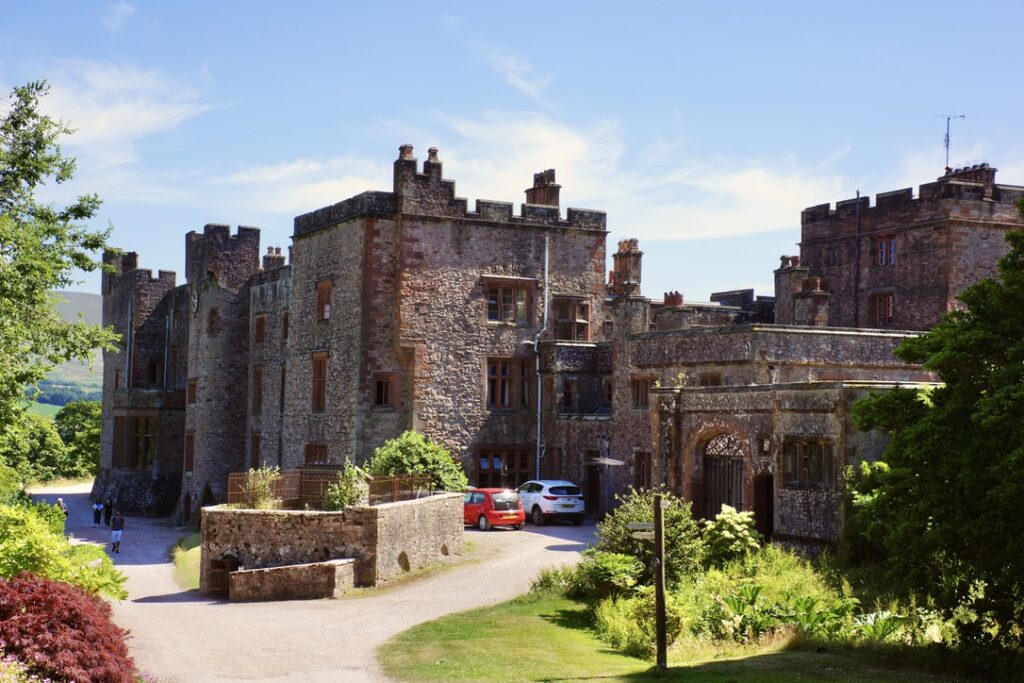
Maintaining a castle requires resources that would make most homeowners weep. The heating bills alone could fund a small business. The roof—covering acres of space—demands constant attention. Historic building regulations mean repairs must use traditional methods and materials, at traditional prices.
Peter speaks frankly about the financial realities. Without tourism income, maintaining Muncaster would be impossible. The family has opened the castle and grounds to visitors, developed events programming, and created attractions that bring people through the gates year-round.
This represents a fundamental shift from the aristocratic model of previous centuries. Where once a castle owner might have lived primarily on agricultural rents, today’s owners must be entrepreneurs. The castle itself becomes the business, its history and atmosphere the product.
The Ghost of Muncaster
Every proper castle needs a ghost, and Muncaster delivers. The “Muncaster Boggle,” as the spirit is known locally, has reportedly haunted the castle for centuries. The Tapestry Room, in particular, has a reputation that has made it one of Britain’s most investigated paranormal locations.
Peter approaches the ghost stories with Yorkshire pragmatism. Strange things have been reported over the years—unexplained sounds, objects moving, feelings of presence. Whether you attribute these to supernatural causes or old building quirks depends largely on what you bring to the question.
The paranormal reputation has become part of Muncaster’s appeal. Ghost hunting groups visit regularly, and the castle has been featured on various television programs investigating the unexplained. For some visitors, the possibility of encountering something otherworldly adds an extra frisson to their tour.
Preservation and Progress
Balancing preservation with practical living presents constant challenges. Historic England and various heritage organizations have legitimate interests in how the castle is maintained. Changes require consultation, sometimes extensive negotiation.
Yet the building must evolve to survive. Modern heating systems, updated wiring, accessibility improvements—all these must be accomplished without destroying the historical fabric. It’s a delicate dance between conservation and adaptation.
Peter emphasizes that the goal isn’t to freeze Muncaster in any particular period but to ensure it survives as a living building. A museum piece, carefully preserved behind glass, loses something essential. A family home that continues to evolve maintains its soul.
The Weight of Heritage
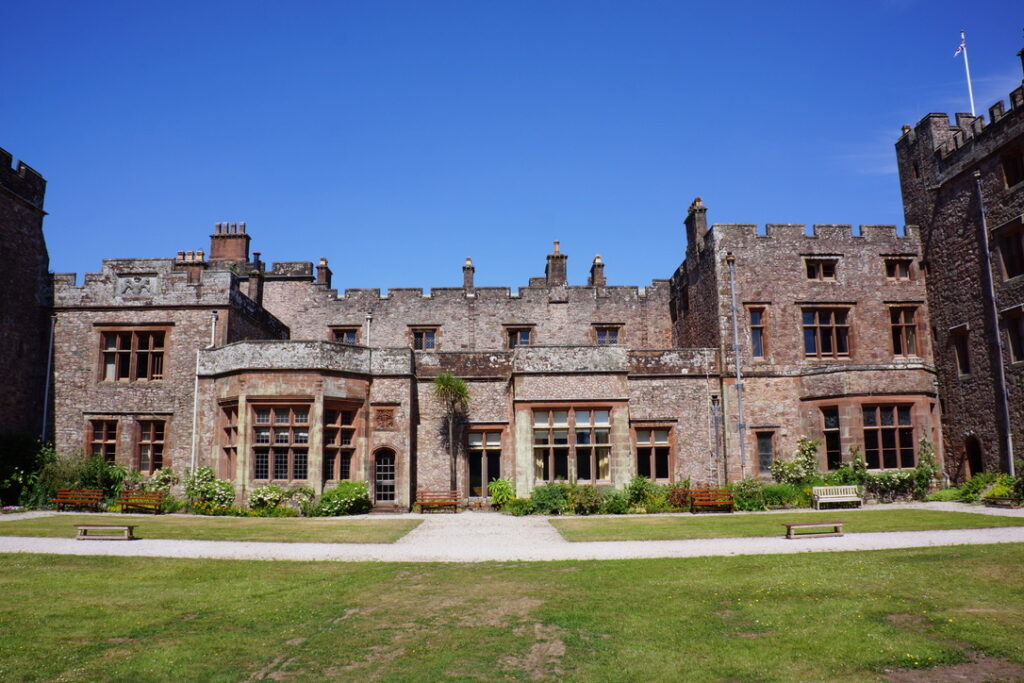
Living in a castle means living with responsibility. You’re not just maintaining a building; you’re custodian of a cultural asset that belongs, in some sense, to the nation. Future generations—both Penningtons and visitors—are counting on you to pass it on intact.
This weight shapes every decision. Should you sell that painting to fund roof repairs? What happens to the archive of family papers? How do you balance private family life with public access? These questions have no easy answers, and each generation must find its own solutions.
Peter describes the emotional dimension honestly. Pride in his heritage mingles with anxiety about the future. Love for his home coexists with occasional exhaustion at its demands. It’s a complex relationship, deeper than simple ownership.
Muncaster’s Gardens and Grounds
Beyond the castle itself, Muncaster’s gardens have gained international recognition. The rhododendron collection, in particular, draws enthusiasts from around the world. Spring transforms the grounds into a riot of color, with Himalayan species thriving in the mild, wet Lake District climate.
The World Owl Trust, headquartered at Muncaster, adds another dimension. The conservation organization works to protect owl species worldwide, and visitors can observe these magnificent birds up close. It’s another example of how modern castle owners must find creative ways to generate interest and income.
The grounds also offer something increasingly rare: genuine wilderness within an historic landscape. Wild areas have been deliberately maintained, providing habitat for native species while offering visitors a different kind of experience from the manicured gardens of other stately homes.
Visiting Muncaster
For those inspired to visit, Muncaster offers a more intimate experience than some larger heritage properties. The castle remains a family home, and that domestic scale creates an atmosphere quite different from the palaces and mansions run by the National Trust.
The Lake District location makes Muncaster an excellent addition to any Lakes itinerary. Combine it with walks along the Esk Valley, visits to nearby villages, and exploration of this stunning corner of England. Just don’t expect to do justice to it all in an afternoon.
Peter’s final advice for visitors: take your time, ask questions, and remember that behind every object is a story. The staff know those stories and love to share them. A castle isn’t just a building—it’s a repository of human experience across centuries.
—
Curious to hear more about the realities of castle ownership? Listen to the full episode of the Anglotopia Podcast wherever you get your podcasts.
The Anglotopia Podcast is your deep dive into the rich and diverse world of British culture, hosted by Jonathan and Jacqueline Thomas, publishers of Anglotopia.net and Londontopia.net. Each episode takes you on a journey through iconic British television, captivating historical events, and essential travel tips, ensuring you experience the very best of the British Isles. Our engaging discussions feature important British guests and authors, covering everything from the latest trends and timeless traditions to hidden gems and popular landmarks. Whether you’re a passionate Anglophile or simply curious about the UK, our podcast offers a delightful mix of insights and entertainment. Join us as we celebrate the charm, heritage, and unique allure of Britain, making every episode a must-listen for anyone who loves all things British.
This week on the Anglotopia podcast, we take a break from the guests and answer listener questions. In this episode of the Anglotopia podcast, Jonathan and Jackie answer questions about Britain from their listeners. They discuss topics such as when to visit England, how to spend a layover in London, and the must-see attractions in the city. They also share their personal experiences and recommendations for exploring London, including visiting Hyde Park, the National Gallery, Trafalgar Square, and Covent Garden. They provide tips on transportation, booking in advance, and making the most of a limited time in the city. Moving to the UK as an American requires hiring a good immigration lawyer, as it is a complicated process. The easiest way to move to the UK is to marry a British citizen, but this is not a recommendation. Other options include getting a work visa for an in-demand job or going as a student. It is important to plan ahead and book attractions in advance, as well as budget for the trip. The best time to visit London is in the autumn, as it is less crowded and the weather is pleasant. Winter travel can also be enjoyable, but be prepared for damp cold.
Links
- Where Did Anglotopia Come From
- Spitalfields Life
- The Gentle Author’s Tours
- An American Student Abroad Column on Anglotopia
- 101 Free Things To Do in London
- UK Visas and Immigration
Takeaways
- England is open for travel, but visitors from different countries may have different entry requirements.
- When planning a layover in London, consider the duration and location of the layover, and make sure to account for travel time to and from the airport.
- Popular attractions in London include Hyde Park, the National Gallery, Trafalgar Square, and Covent Garden.
- It is important to book in advance for attractions, restaurants, and transportation to make the most of a limited time in the city.
- Consider using public transportation, such as the Heathrow Express or the Elizabeth Line, to get around London.
- Take advantage of services like left luggage at the airport or bookstores that offer shipping to avoid carrying heavy bags during a layover.
- Explore different neighborhoods and try iconic experiences, such as afternoon tea or visiting historic hotels, to get a well-rounded London experience.
- Consider taking guided tours or exploring lesser-known areas to discover hidden gems in the city. Moving to the UK as an American requires hiring an immigration lawyer and is a complicated process.
- The easiest way to move to the UK is to marry a British citizen, but this is not recommended.
- Other options include getting a work visa for an in-demand job or going as a student.
- It is important to plan ahead and book attractions in advance, as well as budget for the trip.
- The best time to visit London is in the autumn, as it is less crowded and the weather is pleasant.
- Winter travel can also be enjoyable, but be prepared for damp cold.
Sound Bites
- “If you want to go to England, set your mind to it and start ticking off the things you need to make it happen.”
- “The best


Free Podcast Newsletter
Subscribe to our special podcast newsletter below and never miss the latest episode of the Anglotopia Podcast.